
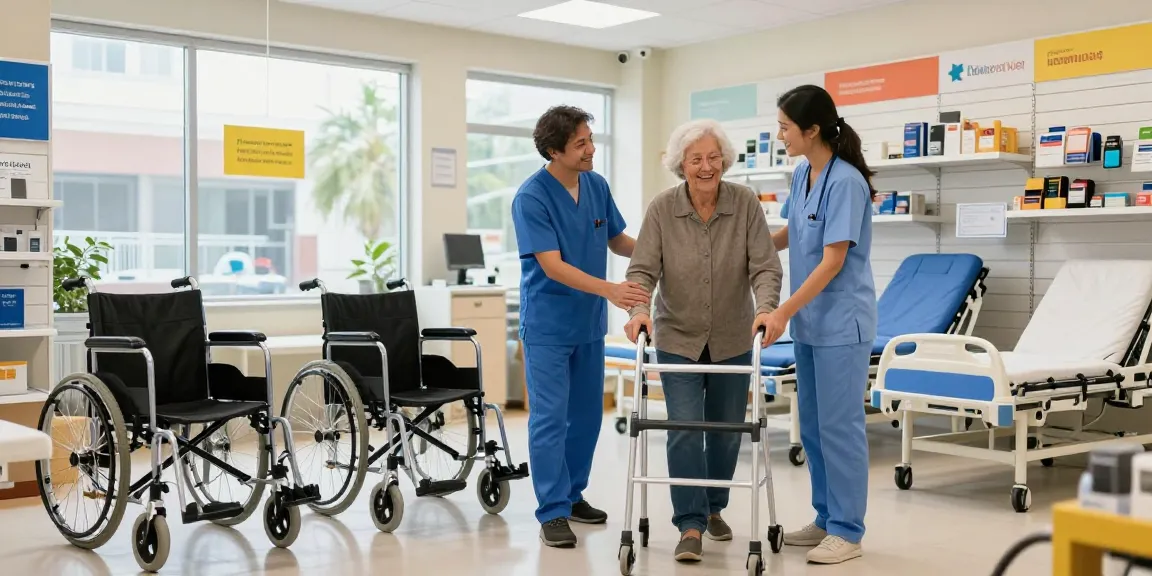
Understanding the Medical Equipment Store Landscape
The medical equipment store industry plays a vital role in the healthcare ecosystem, providing essential tools and devices that assist healthcare professionals and patients alike. These stores are not merely businesses; they are crucial facilitators of health and wellness, ensuring that necessary equipment is readily available when needed. As we move into 2026, understanding the dynamics and trends within this industry becomes more important than ever. When exploring options, medical equipment store offerings will evolve, reflecting innovations and consumer demand.
What Defines a Medical Equipment Store?
A medical equipment store is a specialized retail outlet dedicated to the sale of medical devices, supplies, and equipment. These stores can range from large chains that offer a wide array of products to boutique shops that specialize in specific types of equipment. They cater to various customers, including healthcare facilities, professionals, and individual patients seeking home healthcare solutions. The key factors that define a medical equipment store include:
- Regulatory Compliance: These stores must comply with strict regulatory standards to ensure the safety and efficacy of the products they sell.
- Expertise: Staff typically includes trained professionals knowledgeable about various medical products, offering guidance to customers making important purchasing decisions.
- Product Range: A broad spectrum of items is available, from diagnostic tools to surgical instruments and rehabilitation equipment.
Types of Medical Equipment Available
The types of medical equipment found in these stores can be categorized into several main groups:
- Diagnostic Equipment: Includes tools such as stethoscopes, blood pressure monitors, and imaging machines.
- Therapeutic Devices: Equipment like nebulizers, infusion pumps, and ventilators are crucial for patient care.
- Mobility Aids: Wheelchairs, walkers, and crutches enable patients to maintain mobility and independence.
- Monitoring Devices: These include heart rate monitors, glucose meters, and other devices used for ongoing patient supervision.
- Durable Medical Equipment (DME): Long-term use equipment, such as hospital beds and lift chairs, designed to assist patients at home.
The Role of Online vs. Physical Stores
In recent years, there has been a significant shift in how consumers shop for medical supplies. While traditional physical stores remain important, the rise of online medical equipment stores has transformed consumer behavior. Each format has its advantages:
- Physical Stores: Offer hands-on experience and immediate availability of products, alongside personalized customer service.
- Online Stores: Provide convenience, often featuring a broader selection and competitive pricing, allowing customers to compare products easily.
Key Trends in Medical Equipment for 2026
As we look ahead to 2026, several trends are poised to shape the medical equipment store industry significantly. These trends include advancements in technology, shifts in consumer behavior, and evolving market demands. Understanding these trends will help stakeholders adapt their strategies effectively.
Emerging Technologies in Healthcare Equipment
Technological advancements are the backbone of innovation in the medical equipment sector. Key technologies expected to trend include:
- Artificial Intelligence: Enhancing diagnostic accuracy and operational efficiency within medical devices.
- Wearable Health Devices: Offering continuous monitoring and data collection for proactive patient management.
- Robotics: Streamlining surgeries and rehabilitation processes, significantly improving patient outcomes.
Telehealth and Its Impact on Equipment Demand
The rise of telehealth services has led to an increased demand for home healthcare equipment. As more patients engage in remote consultations, items such as blood pressure monitors, pulse oximeters, and home diagnostic kits are becoming essential. The integration of telehealth with traditional healthcare practices has reshaped the product offerings at medical equipment stores to cater to this evolving landscape.
Sustainability Practices in Medical Equipment Manufacturing
As environmental concerns continue to rise, medical equipment manufacturers are increasingly adopting sustainable practices. This includes:
- Eco-Friendly Materials: Utilizing biodegradable or recyclable materials in production.
- Energy Efficiency: Designing devices that consume less energy and have a lower carbon footprint.
- Waste Reduction: Implementing practices that minimize waste throughout the manufacturing and distribution processes.
User Experience in Medical Equipment Stores
Creating an optimal user experience is critical for medical equipment stores, as customers often face complex decisions that can significantly impact their health or that of loved ones. Ensuring a supportive and informative environment can enhance customer satisfaction and loyalty.
Importance of Accessibility and Layout Design
An effective store layout should accommodate individuals with varying physical abilities, ensuring accessibility for all customers. This includes:
- Wide Aisles: To accommodate mobility aids.
- Clearly Marked Sections: For easy navigation of products.
- Seating Areas: Providing rest for those who may need to take breaks while shopping.
Training Staff for Enhanced Customer Interaction
Equipping staff with the necessary training not only improves customer interaction but also ensures that customers receive accurate information regarding the products they are interested in. Knowledgeable staff can help demystify complex equipment and guide customers in making informed decisions.
How Customer Feedback Shapes Store Offerings
Listening to customer feedback is essential for refining product offerings and enhancing services. Medical equipment stores should actively seek and analyze feedback to understand customer needs better, which can lead to:
- Improved Product Lines: Adapting inventory based on actual customer usage and preferences.
- Service Enhancements: Tailoring services such as delivery and setup based on customer suggestions.
- Community Engagement: Building programs that nurture a community around health and wellness topics, fostering customer loyalty.
Challenges Facing Medical Equipment Stores
While the medical equipment store industry is full of opportunities, there are significant challenges that retailers must navigate to succeed in a competitive landscape.
Regulatory Compliance in Medical Equipment Sales
Regulations governing the sale of medical equipment are stringent and vary by region. Staying compliant is paramount, as non-compliance can lead to severe penalties. Stores must ensure that:
- All products meet safety standards set by relevant authorities.
- Accurate information is provided to customers regarding product uses and limitations.
- Staff is trained on regulatory requirements and best practices.
Managing Supply Chain Issues
Supply chain disruptions, especially highlighted during recent global events, pose a significant threat to medical equipment availability. Retailers must develop robust strategies to manage supply risks effectively, such as:
- Building strong relationships with multiple suppliers.
- Maintaining appropriate inventory levels to buffer against shortages.
- Utilizing data analytics to forecast demand accurately.
Addressing Misconceptions About Medical Equipment
There are many misconceptions about medical equipment that can hinder sales and customer satisfaction. A proactive approach to educating customers about equipment benefits, uses, and limitations can enhance trust and encourage appropriate use. Engagement strategies might include:
- Hosting workshops or informational sessions.
- Providing clear and accessible product information online and in-store.
- Utilizing social media and blogs to address common questions and concerns.
Future Directions for Medical Equipment Stores
Looking to the future, medical equipment stores can position themselves strategically within the healthcare landscape by embracing new directions that foster growth and customer loyalty.
Building a Community Focus Around Health and Wellness
Creating a sense of community can be a powerful differentiator for medical equipment stores. By offering free resources, hosting health seminars, and creating support groups, these stores can establish themselves as hubs of information and support within their localities.
Integrating Educational Resources for Customers
Providing educational materials and resources can empower customers to make informed decisions. This may include:
- Instructional videos on product usage and maintenance.
- Online courses or webinars related to health topics.
- Detailed product guides that demystify complex equipment.
Forecasting Market Changes Through Data Analytics
Finally, leveraging data analytics can provide medical equipment stores with invaluable insights into customer behavior and market trends. By analyzing purchasing patterns, stores can forecast demand, optimize inventory management, and tailor marketing strategies to effectively reach target audiences.
What types of medical equipment are most in demand?
The most demanded medical equipment typically includes diagnostic tools, home healthcare devices, and mobility aids. Devices like pulse oximeters, home blood pressure monitors, and continuous glucose monitors are particularly popular, driven by rising chronic conditions.
How can medical equipment stores improve customer service?
Improving customer service can be achieved through staff training, responsive communication, and by actively seeking and acting on customer feedback. Providing personalized service and ensuring accessibility within the store also enhances the overall customer experience.
What regulations must medical equipment stores comply with?
Medical equipment stores must comply with regulations set by local and national health authorities, including ensuring product safety, maintaining accurate labelling, and adhering to guidelines for handling and selling medical devices.
How does telehealth influence the sales of medical equipment?
Telehealth has led to increased demand for home monitoring equipment, as patients seek devices that facilitate remote consultations and health assessments. This trend encourages medical equipment stores to adapt their inventories to support this growing market segment.
What are the future trends in medical equipment technology?
Future trends in medical equipment technology include a stronger focus on telehealth integration, the rise of wearables, and the use of AI and data analytics to enhance patient monitoring and care delivery.


